
Choosing the right SEC top box requires balancing your daily cargo needs with your motorcycle’s physical limits. The ideal top box should secure your gear against sudden tropical downpours and urban theft without compromising your bike’s balance or lane-splitting agility. By evaluating your typical riding route, cargo volume, and mounting setup, you can find a box that integrates seamlessly into your daily routine.
In the Philippines, where motorcycles serve as primary tools for both livelihood and personal transport, a top box is often a necessity rather than a luxury. However, a box that is too large can make navigating tight city traffic hazardous, while one that is too small will leave you struggling to secure your belongings. Selecting the perfect model is a matter of matching your specific riding habits to the correct capacity, material, and mounting configuration.
Identifying Your Primary Riding Scenario
Defining your dominant riding scenario is the first step in narrowing down your top box choices. If your primary use is daily commuting to an office or school, your cargo needs are likely modest. You will typically need enough space to store a single open-face or full-face helmet, a set of rain gear, and a small backpack or laptop bag. For this lifestyle, a compact and lightweight box is ideal because it keeps the motorcycle nimble, allowing you to filter through congested city lanes safely and park in tight, crowded spaces.
Products mentioned in this guide
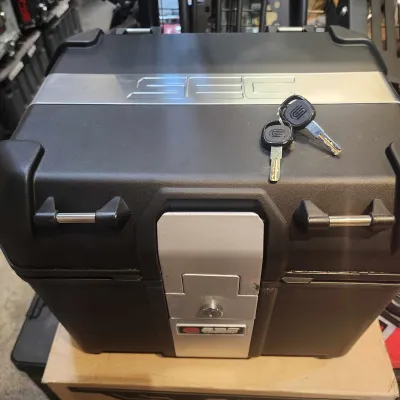
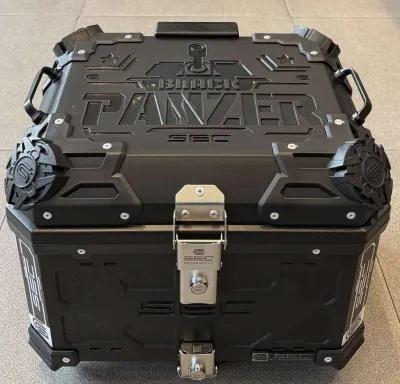
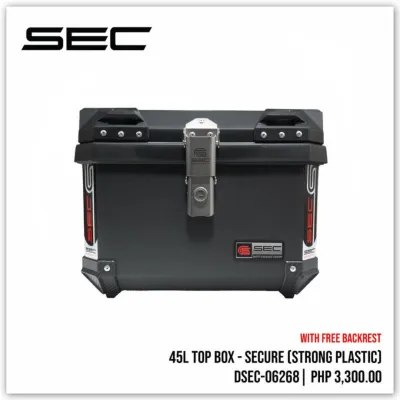
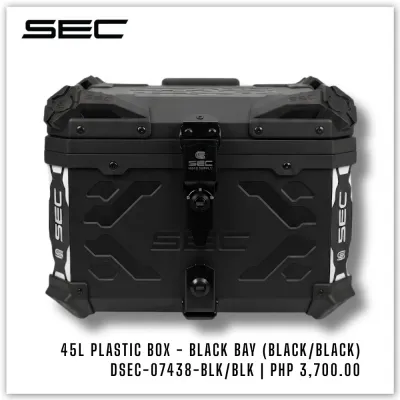
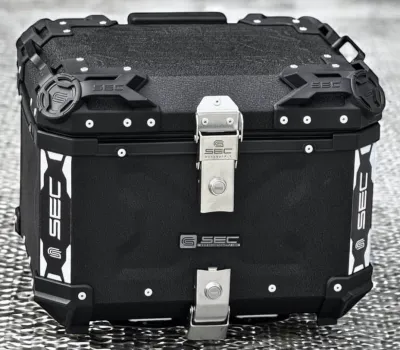
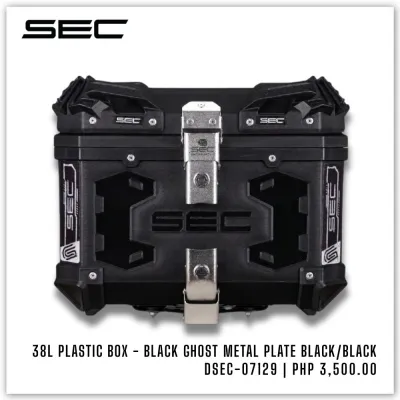
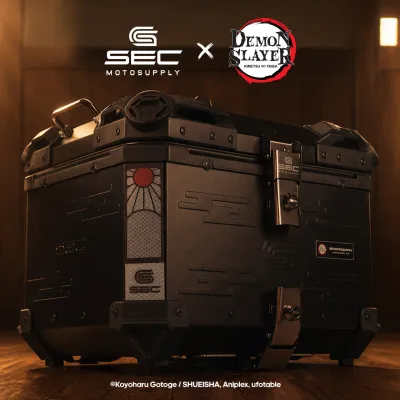
Prices are valid at publication and may change. Please refer to the product page for the latest price.
For food delivery riders and courier professionals, the priorities shift dramatically toward durability, ease of access, and security. Delivery riders must open and close their top boxes dozens of times a day, meaning the locking latches and hinges undergo severe wear and tear. The box must also offer excellent weatherproofing to protect customers’ goods from sudden afternoon rainstorms. Security is equally critical, as couriers frequently leave their motorcycles unattended outside office buildings or residential complexes, requiring a robust locking mechanism that deters opportunistic theft.
Long-distance touring and weekend road trips demand a completely different set of features. When traveling across provinces, you need a large-capacity box capable of holding multi-day clothing, tools, spare parts, and emergency supplies. Touring boxes also need to accommodate the comfort of a pillion passenger, often benefiting from integrated backrest pads. Furthermore, because touring involves higher speeds on open highways, the aerodynamic profile of the box becomes important to minimize wind resistance and maintain high-speed stability.
Matching SEC Top Box Specifications to Your Needs
Once you have identified your primary riding scenario, you can translate those needs into concrete product specifications. Capacity is measured in liters, and understanding these ratings prevents purchasing a box that is either cramped or excessively bulky. A compact box of 30 to 35 liters is generally sufficient for a single standard helmet and minor accessories. If you ride with a large modular helmet or wish to store riding pants alongside your gear, a medium-sized box of 40 to 45 liters serves as an excellent middle ground. Large-capacity boxes of 55 liters and above are designed for dual-helmet storage or extensive touring gear, but they require a motorcycle with a sturdy subframe to support the weight.

Material selection directly impacts the durability, weight, and price of your top box. ABS plastic models are highly popular because they are lightweight, flexible, and capable of absorbing minor impacts without denting. They are also highly resistant to rust, which is a major advantage in humid, coastal environments. Aluminum top boxes, on the other hand, offer a rugged, adventure-oriented aesthetic and superior structural rigidity. While aluminum provides excellent protection against forced entry, it is significantly heavier than plastic, which must be factored into your motorcycle’s overall payload capacity. Always check the manufacturer’s labels to ensure the material features UV-stabilized coatings to prevent cracking and fading under intense tropical sunlight.
Locking mechanisms are your primary defense against theft, and they vary across the SEC product lineup. Single-lock systems offer quick, one-press convenience, allowing you to lock or unlock the box with a single turn of the key. Dual-lock or heavy-duty latch systems provide an extra layer of security by clamping the lid down at multiple points, making it much harder for thieves to pry the box open. If you regularly park in unmonitored public areas or carry high-value electronics, investing in a model with a reinforced metal locking mechanism is highly recommended.
Checking Mounting Compatibility and Installation Safety
Before purchasing any top box, you must ensure that it can be mounted safely and legally on your specific motorcycle. Installing aftermarket luggage alters your vehicle’s structural dynamics, weight distribution, and aerodynamics. Always consult your motorcycle’s owner’s manual and the official SEC fitment guide to verify compatibility before making a purchase. If you are unfamiliar with torque specifications, structural alignment, or bracket installation, have the mounting hardware installed by a qualified motorcycle technician to ensure road safety.
Your top box is only as secure as the bracket holding it to the motorcycle. You must verify that the mounting bracket is specifically designed for your motorcycle’s make, model, and year. Generic or poorly fabricated brackets can suffer from metal fatigue and crack under continuous vibration, especially when riding over potholes or rough, unpaved roads. Ensure that all mounting bolts are tightened to the manufacturer’s specified torque and check them periodically for any signs of loosening due to engine vibration.
Weight limits and payload capacities must be strictly respected to prevent structural failure. Every motorcycle frame and aftermarket rear rack has a maximum weight rating, which is often lower than riders assume. When calculating your payload, remember to add the dry weight of the top box and its base plate to the weight of the items you plan to carry inside. Overloading the rear rack can put excessive stress on the motorcycle’s subframe, potentially leading to hairline cracks or catastrophic failure while riding.
Adding weight high up and far back on a motorcycle significantly alters its center of gravity. An overloaded top box lightens the front wheel, which directly reduces steering precision, compromises front-tire grip, and increases braking distances. It can also cause dangerous high-speed steering wobbles, commonly known as tank slappers. To maintain safe handling, always pack your heaviest items at the very bottom of the top box, keep lighter items on top, and adjust your riding style to accommodate the altered balance of your motorcycle.
Evaluating Practical Features for Daily Convenience
Small design details can make a significant difference in how much you enjoy using your top box on a daily basis. Interior liners and cushioning are excellent examples of practical features that add immense value. A padded inner lining protects your expensive helmet from getting scratched by the hard plastic or aluminum interior walls of the box. Additionally, liners help dampen vibrations, preventing tools, keys, or loose items from rattling distractingly while you navigate uneven roads.
Visibility enhancements are crucial for staying safe in low-light conditions or heavy downpours. Many top boxes feature built-in reflective panels that help other motorists spot you from behind. Some advanced models also offer integrated wiring paths or pre-cut slots designed to accommodate auxiliary LED brake lights. Enhancing your rear visibility is one of the most effective ways to prevent rear-end collisions during night rides or sudden tropical storms.
Finally, a quick-release base plate system is highly convenient for riders who do not always want the top box attached to their motorcycle. This system allows you to detach the entire box in seconds using a key, leaving only the low-profile base plate secured to your rear rack. This is incredibly useful when you want to wash your motorcycle, park in a high-risk area where you prefer to carry your luggage with you, or simply enjoy a lighter, sleeker ride on days when you do not need to carry extra gear.
Frequently Asked Questions (FAQ)
Can I fit two full-face helmets in a standard SEC top box?
No, standard-sized top boxes ranging from 30 to 45 liters are generally designed to hold only one full-face helmet along with some smaller accessories. To fit two full-face helmets side-by-side or stacked, you will typically need a large-capacity model of 55 liters or more. Always measure the outer dimensions of your specific helmets, as shell sizes and ventilation fins vary greatly between brands and can affect how they fit inside the box.
Are SEC top boxes universally compatible with all motorcycles?
While the top box itself attaches to a standardized base plate that comes with the package, the underlying mounting bracket is not universal. You must purchase a model-specific rear rack or bracket that is engineered to bolt directly onto your motorcycle’s existing grab rail or frame mounts. Always verify that the bracket matches your motorcycle’s exact make, model, and year of manufacture before attempting installation.
How do I maintain the waterproof seal on my top box?
To maintain the waterproof seal, regularly inspect the rubber gasket running along the rim of the lid for cracks, dirt, or debris. Clean the gasket gently using a damp microfiber cloth and mild soapy water, avoiding harsh chemical solvents or high-pressure washers that can degrade or dislodge the rubber. Applying a thin coat of silicone lubricant to the clean gasket once every few months will help keep the rubber pliable and prevent it from drying out under the sun.

Community discussion
Share your experience or ask a question. Comments are reviewed before publication.