
Choosing a Zebra full-face helmet requires balancing your personal ₱ budget with your daily riding demands. Whether you navigate congested city streets or travel on open highways, selecting the right helmet tier ensures you get the necessary impact protection, ventilation, and comfort features. By evaluating the specific materials, visor mechanisms, and safety certifications available at each price point, you can find a helmet that matches your spending limit while keeping you secure on the road.
A full-face helmet remains the gold standard for rider safety, offering complete coverage for your chin, face, and head. Zebra provides a variety of options designed to cater to different rider profiles, from daily commuters looking for cost-effective protection to long-distance tourers seeking advanced comfort. Understanding what features are available at each price level helps you avoid overpaying for unnecessary extras or under-investing in critical comfort.
Understanding Zebra Helmet Price Tiers and What to Expect
When exploring the Zebra full-face helmet lineup, price differences generally reflect the materials used in the outer shell and the complexity of the interior features. Entry-level options typically utilize injection-molded thermoplastic shells, which provide reliable impact resistance but tend to be heavier. As you move up the price scale, manufacturers often introduce lightweight polycarbonate or composite blends that reduce overall weight while maintaining structural integrity.
Products mentioned in this guide
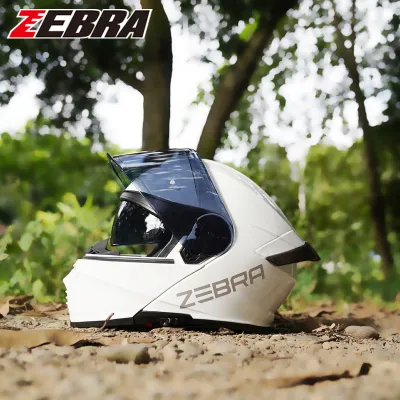
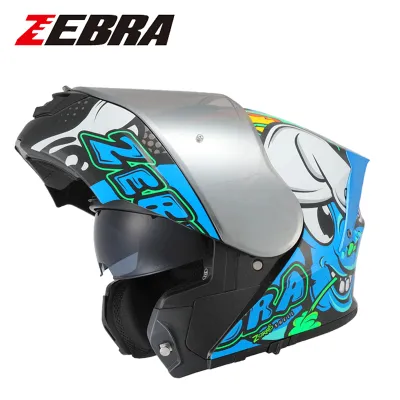
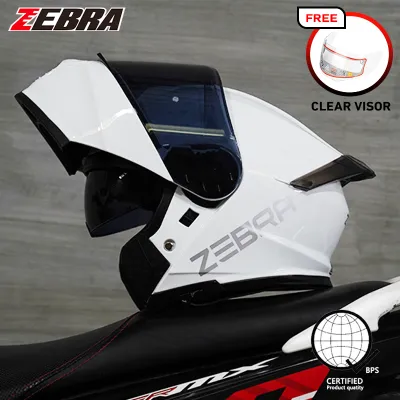
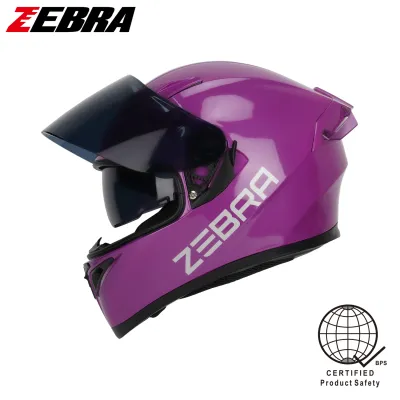
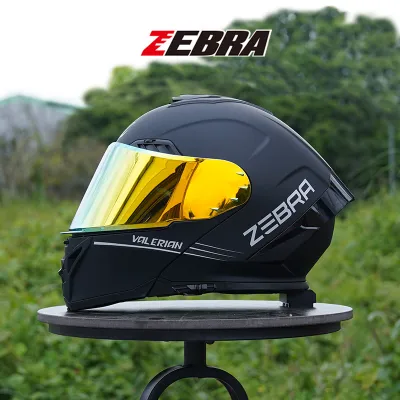
Prices are valid at publication and may change. Please refer to the product page for the latest price.
Interior comfort also scales with your budget. Higher-tier models feature multi-density EPS (expanded polystyrene) liners and advanced, moisture-wicking interior padding that can be completely removed for washing. Ventilation systems also become more sophisticated, transitioning from simple, fixed air vents to adjustable, multi-channel ports designed to channel heat away from your head.
To choose the right tier, align your purchase with your primary riding habits. A basic, budget-friendly helmet may suffice for short, low-speed daily commutes where weight is less of a factor. However, if you frequently embark on long-distance tours or ride in high-temperature environments, investing in a mid-range or premium model with enhanced airflow and lighter materials will significantly improve your riding experience.
Additionally, higher price tiers often introduce better optical clarity in the visors and more robust shield mechanisms. While basic models offer standard protection from wind and debris, mid-to-high-end options incorporate advanced UV protection, anti-fog compatibility, and smoother hinge operations. Evaluating these details beforehand ensures your chosen helmet aligns perfectly with your environmental conditions and riding frequency.
Entry-Level Budget: Prioritizing Essential Safety and Fit
Riders on a strict budget do not have to sacrifice fundamental safety when choosing an entry-level Zebra full-face helmet. The most critical step is verifying that the helmet carries the mandatory safety certification labels required for road use in the Philippines. Look for the Import Commodity Clearance (ICC) or Philippine National Standard (PNS) stickers, alongside international markings like DOT or ECE, which should be physically adhered or embossed on the rear of the helmet shell.

Visor quality is another essential consideration at this price point. Ensure the entry-level model features a clear, distortion-free outer shield with basic scratch-resistant properties to maintain visibility during night rides or sudden downpours. It is also wise to check if the manufacturer or local distributors offer affordable replacement visors, as budget shields can wear down or scratch more easily over time.
The primary trade-off at the entry-level tier is the overall weight of the helmet. Thermoplastic shells require more material thickness to meet safety standards, resulting in a heavier build. On extended rides, this extra weight can contribute to neck fatigue and shoulder strain, making proper fitment and helmet positioning crucial to distribute the load evenly.
Furthermore, entry-level models may feature simpler, non-removable interior liners. This means you will need to rely on specialized helmet cleaning sprays or gentle spot-cleaning methods rather than throwing the pads into a washing machine. If you plan to ride daily in hot weather, consider how this limitation affects your long-term maintenance routine.
Mid-Range Budget: Balancing Comfort, Aerodynamics, and Features
Stepping up to a mid-range Zebra full-face helmet introduces features designed to enhance comfort during longer journeys. One of the most noticeable upgrades is the implementation of multi-channel ventilation systems. These setups utilize adjustable intake vents on the chin and forehead, paired with rear exhaust vents, to pull cool air through the helmet and expel hot, humid air.
The interior lining of mid-range models also receives a significant upgrade. Look for product specifications that highlight hypoallergenic, antibacterial, and moisture-wicking fabrics. These materials help manage sweat during hot afternoon rides, preventing odor buildup and skin irritation, while the fully removable design allows you to wash the cheek pads and crown liner regularly.
Convenience features also become standard in this tier, such as integrated drop-down sun visors and quick-release outer shield mechanisms. The dual-visor system allows you to adapt instantly to changing light conditions without swapping shields, while the toolless quick-release system simplifies cleaning and maintenance. Always verify the smooth operation of these mechanisms before your first ride to ensure they lock securely into place.
Aerodynamic shaping is also more pronounced in mid-range designs. The shell profiles are engineered to reduce wind resistance, which helps stabilize your head at moderate highway speeds. This reduction in buffeting not only lowers wind noise but also decreases physical strain on your neck muscles over multi-hour trips.
Premium and High-End Options: When to Invest in Advanced Materials
At the higher end of the spectrum, Zebra helmets focus on advanced shell construction and refined aerodynamics. Premium models often incorporate lightweight composite shells or carbon fiber blends, which drastically reduce the helmet’s overall weight. To confirm these claims, always check the official manufacturer specification sheets for the exact weight in grams, ensuring the lighter build justifies the higher price tag.
Aerodynamic profiling is highly optimized in this category to minimize wind drag and buffeting at highway speeds. These designs often include integrated rear spoilers and specialized neck rolls that work together to reduce wind noise inside the helmet. This creates a quieter, more stable riding environment, which is highly beneficial for high-speed touring or track-day enthusiasts.
Before investing in a top-tier model, evaluate whether your riding style truly demands these advanced features. If your daily route consists primarily of low-speed urban traffic, the aerodynamic benefits of a high-end helmet may go unnoticed. However, if you prioritize maximum weight reduction, improved noise isolation, and high-speed stability, the investment in premium materials offers a clear advantage.
Additionally, premium helmets frequently offer advanced emergency release systems for the cheek pads. This safety feature allows emergency medical personnel to safely remove the helmet without putting undue stress on your neck in the event of an accident. If you participate in track days or high-speed sport riding, this added layer of safety is highly recommended.
Hidden Costs and Pre-Purchase Checks for Zebra Helmets
When budgeting for a new Zebra full-face helmet, remember to account for expenses beyond the initial retail price. If you are purchasing online, factor in shipping fees, potential customs duties, and the seller’s return shipping policies. You may also want to allocate a portion of your budget for optional accessories, such as Pinlock anti-fog inserts, tinted visors, or replacement cheek pads to customize the fit.
To protect yourself from counterfeit products, always verify the seller’s authorization status on your chosen ecommerce platform. Look for official brand stores or authorized dealer badges, and inspect the helmet for official anti-counterfeit tags and holographic stickers upon delivery. Purchasing from unverified sources compromises your safety, as counterfeit helmets do not undergo rigorous impact testing.
Finally, never guess your helmet size based on previous gear. Consult the manufacturer’s official sizing chart and measure the circumference of your head using a flexible measuring tape just above your eyebrows. If possible, visit a physical motorcycle gear shop to try on the specific Zebra model, as different shell shapes can affect how the helmet fits your head profile, helping you avoid the hassle of return shipping.
Keep in mind that helmet fit can change slightly as the interior padding breaks in over the first few weeks of use. A properly fitting helmet should feel snug against your cheeks and forehead without creating painful pressure points. Taking the time to verify these measurements prevents the safety risks associated with a loose-fitting helmet.
Frequently Asked Questions (FAQ)
How do I verify the safety certification of a Zebra helmet?
To verify the safety compliance of a Zebra full-face helmet, inspect the back of the outer shell for a genuine ICC sticker with a unique serial number or a BPS certification mark. You can cross-reference this serial number through official government verification channels or check the manufacturer’s documentation to ensure the model matches certified safety standards like ECE 22.05 or ECE 22.06.
Are Zebra full-face helmets suitable for daily commuting in the Philippines?
Yes, Zebra full-face helmets are highly suitable for daily commuting, provided you select a model with adequate ventilation to handle tropical heat and humidity. Look for models featuring adjustable chin and forehead vents to maintain airflow in stop-and-go traffic, and consider a dual-visor configuration to easily transition between bright daytime sun and night riding.

Community discussion
Share your experience or ask a question. Comments are reviewed before publication.