
A sudden, irritating noise from your motorcycle’s exhaust can quickly ruin a smooth ride. When your exhaust system begins to rattle at idle or emit a deep, exhausting drone at cruising speeds, the culprit is often a failing or damaged exhaust resonator. This component is engineered to target and neutralize harsh, high-frequency sound waves before they reach the muffler. When the internal structure of the resonator degrades due to constant heat cycles, road vibrations, or tropical moisture, it loses its ability to control these sound frequencies, resulting in distracting acoustic issues. Identifying whether the noise is a simple loose bolt or a structural failure within the resonator is the first step toward restoring your motorcycle’s refined exhaust note and ensuring safe operation.
Identifying the Symptoms: Rattling vs. Droning Sounds
To diagnose the issue accurately, you must first distinguish between a metallic rattle and a low-frequency drone, as these symptoms point to different types of physical wear. A rattle is typically characterized by a sharp, metallic, or clicking sound that is most noticeable when the engine is idling or running at low revolutions per minute (RPM). This sound often indicates that something has physically loosened within the exhaust assembly or that an internal component is vibrating against the outer shell. Because motorcycles are subjected to constant engine vibrations and uneven road surfaces, even minor hardware issues can manifest as a persistent, high-pitched rattle.
In contrast, an exhaust drone is a deep, continuous, and vibrating hum that typically resonates through the entire frame of the motorcycle at specific cruising speeds or RPM ranges. This low-frequency noise occurs when the exhaust resonator is no longer capable of canceling out specific sound frequencies. The exhaust resonator works on the principle of destructive interference; as exhaust gases pass through its perforated inner tube, sound waves bounce into an expansion chamber and reflect back to cancel each other out. When the internal packing material degrades or the inner tube collapses, these sound waves escape unchecked, creating a heavy, tiring drone that can cause rider fatigue during long trips.
Products mentioned in this guide
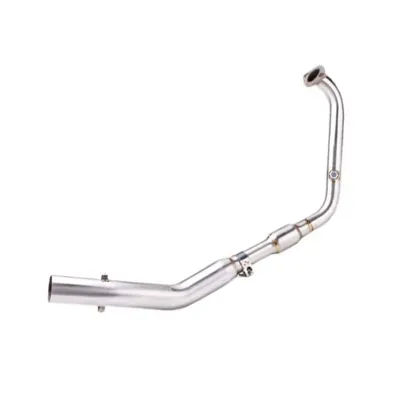
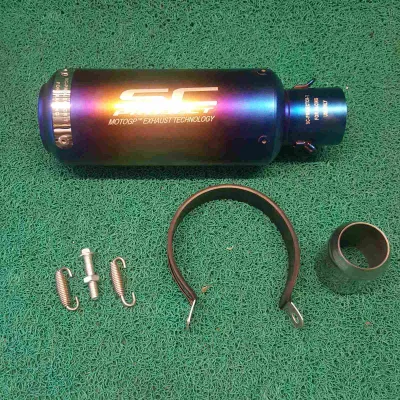
10 Lazada user ratings
Quality:The product was good, however it needed slight modification to the elbow for it to fit in my ns 150.
Got it! working well sa LG speaker
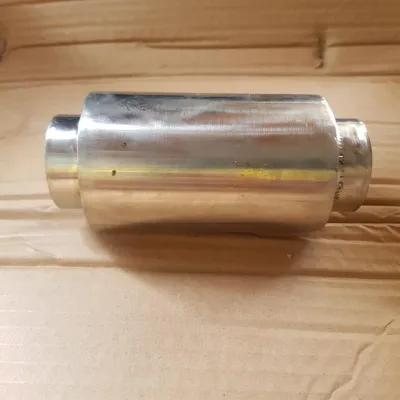
4 Lazada user ratings
ok sya sana maganda tunog kakabit palang guys
Good seller service,
Prices are valid at publication and may change. Please refer to the product page for the latest price.
Safe Visual and Physical Inspection Checklist
Before attempting any physical inspection of your motorcycle’s exhaust system, safety must be your absolute priority. Exhaust components reach extremely high operating temperatures that can cause severe burns instantly. Always park the motorcycle on a flat, stable surface, secure it on its center stand, and allow the engine and exhaust pipes to cool completely to room temperature before touching any part of the system. Additionally, wear protective gloves and safety glasses to shield your hands and eyes from soot, rust flakes, or sharp metal edges during the inspection.

Once the system is completely cool, begin your diagnostic checklist by examining the external mounting hardware. Use basic hand tools, such as a socket wrench or Allen keys, to check the tightness of all mounting brackets, heat shields, and exhaust hangers. Loose heat shields are notorious for creating high-pitched metallic rattles that mimic internal engine or exhaust damage. Gently wiggle the exhaust pipe at various points to check for excessive play; if the rubber hangers or brackets are worn, cracked, or missing, the entire exhaust assembly may vibrate against the motorcycle frame.
Next, perform a gentle tap test to evaluate the internal condition of the exhaust resonator and muffler. Using a soft rubber mallet, lightly tap along the body of the resonator and the surrounding pipes. If you hear a clear, solid thud, the internal baffles are likely intact. However, if the tap produces a loose, metallic clinking or rattling sound from inside the chamber, it indicates that the internal perforated core, baffles, or sound-dampening material have broken loose and are vibrating freely.
Conclude your physical inspection with a thorough visual check for structural degradation. Look closely for signs of severe rust, hairline cracks, or black soot deposits around the welded joints of the resonator. In tropical climates with high humidity and frequent rainfall, moisture can easily trap inside the exhaust system, leading to premature corrosion from the inside out. Black soot tracks along a joint or seam are a clear indicator of an exhaust leak, which can alter backpressure and contribute to both rattling and droning noises.
Troubleshooting Table: Symptoms, Causes, and Next Steps
To help you quickly match your motorcycle’s specific noise profile to its root cause, use the following diagnostic matrix. This table outlines common symptoms, their most likely mechanical causes, and the recommended actions you should take to resolve them safely.
| Symptom | Most Likely Cause | Recommended Action |
|---|---|---|
| Sharp metallic rattle at idle or low RPM | Loose external heat shield, worn mounting bracket, or loose bolt | Inspect and tighten all external hardware using manufacturer torque specifications; replace worn rubber hangers. |
| Deep, vibrating drone at specific highway speeds | Degraded internal packing material or failed exhaust resonator core | Inspect the resonator shell for external damage; prepare to replace the resonator or consult a professional for system evaluation. |
| Metallic clinking inside the exhaust during a mallet tap test | Broken internal baffle or collapsed perforated tube inside the resonator | The resonator has suffered internal structural failure; replace the resonator assembly to restore proper sound dampening. |
| Hissing or ticking sound accompanied by black soot marks | Exhaust gas leak at a weld, joint, or gasket near the resonator | Replace damaged exhaust gaskets; consult a professional welder or mechanic to repair cracked welds or replace the section. |
| Rattling that increases in frequency during acceleration | Loose internal components or exhaust pipe contacting the motorcycle frame | Check clearance between the exhaust pipe and frame; verify internal integrity with a tap test; tighten all mounting points. |
When to Consult a Professional Motorcycle Mechanic
While basic inspections and tightening external hardware are straightforward tasks for many motorcycle owners, certain exhaust issues require specialized tools and professional expertise. Structural failures, such as cracked exhaust headers, severely corroded resonator welds, or broken mounting tabs on the frame, cannot be safely resolved with temporary fixes. Attempting to repair internal resonator baffles or modifying the internal exhaust flow without professional equipment can disrupt engine backpressure, potentially leading to engine damage or poor fuel management.
You should immediately consult a qualified professional motorcycle mechanic if the unusual exhaust noise is accompanied by a noticeable loss of engine performance, sluggish throttle response, or an illuminated engine warning light. These symptoms often indicate a severe restriction in the exhaust flow, such as a collapsed resonator core blocking the passage of exhaust gases. Furthermore, any exhaust leaks located near the engine block or cylinder head must be addressed by a professional to prevent hot exhaust gases from damaging surrounding components or posing a safety hazard to the rider. Always refer to your vehicle’s original service manual for specific system requirements before authorizing any major modifications.
Routine Maintenance to Prevent Exhaust Noise Issues
Preventing premature failure of your motorcycle’s exhaust resonator requires consistent, proactive maintenance, especially when riding in challenging environmental conditions. Regular cleaning is essential to remove road grime, mud, and salt deposits that trap moisture against the metal surfaces. Allow the exhaust to cool completely, then wash it with a mild, pH-neutral motorcycle soap and water, ensuring you dry the metal thoroughly afterward to prevent water spots and surface rust. Avoid using harsh abrasive cleaners or steel wool, which can scratch the protective finish of the exhaust metal and accelerate corrosion.
In addition to cleaning, establish a routine to check the torque of all exhaust mounting bolts and brackets at regular service intervals, as specified in your motorcycle’s owner’s manual. The intense vibrations generated by single-cylinder or V-twin motorcycle engines can gradually back out even properly tightened fasteners over time. If you store your motorcycle for extended periods, particularly during the wet season, consider using a breathable exhaust plug to prevent humid air, pests, and condensation from settling inside the resonator and muffler, which can cause internal rust and degrade the sound-dampening materials.
Frequently Asked Questions (FAQ)
Can I simply remove the exhaust resonator to stop the droning noise?
Removing the exhaust resonator is not a recommended solution for resolving a droning noise. The resonator is specifically tuned to eliminate harsh, low-frequency sound waves; removing it will almost certainly increase the overall volume of your exhaust and shift the drone to a different, often more annoying RPM range. Additionally, modifying or deleting components of your motorcycle’s factory exhaust system can alter engine backpressure, requiring a complete engine retuning to prevent performance loss. You must also consider that altering the exhaust system to increase noise levels may violate local environmental and noise regulations in the Philippines, potentially leading to fines or registration issues.
Does a rattling exhaust resonator affect motorcycle performance?
A minor rattle caused by a loose external heat shield or a slightly loose bracket generally does not affect your motorcycle’s engine performance, though it remains a significant acoustic annoyance. However, if the rattle is caused by a collapsed internal baffle or a broken perforated core inside the exhaust resonator, it can have serious performance implications. Over time, loose internal pieces can shift and partially block the path of exiting exhaust gases, creating excessive backpressure. This restriction can lead to reduced throttle response, decreased fuel efficiency, engine overheating, and a noticeable loss of power at higher speeds, making prompt diagnosis and repair essential.

Community discussion
Share your experience or ask a question. Comments are reviewed before publication.